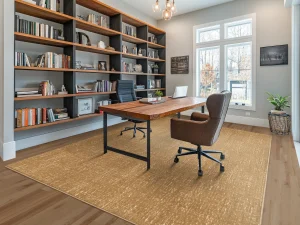
If you’ve invested in COREtec or another luxury vinyl plank (LVP) floor, you’ve probably already thought about the basics — cleaning products, furniture pads, avoiding direct sunlight. But one question comes up less often than it should: do you need a rug pad under an area rug on LVP flooring, and if so, which kind?
The short answer is yes, you generally want one — but not just any pad will do.
Why LVP Floors Still Need Rug Pad Protection
LVP is more durable than hardwood in a lot of ways — it resists moisture, scratches less easily, and holds up well in high-traffic homes. That durability can make it tempting to skip the rug pad question entirely. But an area rug sitting directly on LVP still causes two problems over time:
- Rug movement. Without a pad, rugs on smooth LVP surfaces slide more than they would on carpet or textured hardwood, which becomes both an aesthetic annoyance and a real trip hazard in high-traffic areas.
- Uneven wear and trapped moisture. A rug with no pad underneath can trap moisture or dirt against the plank surface in ways that affect the finish over time, especially in entryways or kitchens.
The Real Risk: Not All Rug Pads Are Vinyl-Safe
Here’s the part that surprises a lot of homeowners: some rug pads can actually damage LVP flooring. Certain rubber-backed pads use adhesives, plasticizers, or PVC-based backings that react with the wear layer or finish on vinyl plank flooring, sometimes causing discoloration, a sticky residue, or a permanent bond between the pad and the floor.
This isn’t unique to any one flooring brand — it’s a known interaction between certain rubber compounds and certain resilient flooring finishes. The takeaway is the same either way: before you put any rug pad on COREtec or other LVP flooring, confirm it’s explicitly labeled safe for vinyl or resilient flooring. If a pad’s packaging or product page doesn’t say one way or the other, that’s a sign to look elsewhere or contact the manufacturer directly.
What to Look For in an LVP-Safe Rug Pad
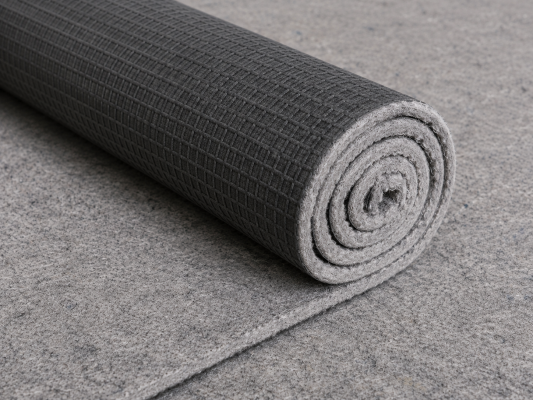
- No PVC or solvent-based rubber backing — look for natural rubber or felt-based construction instead
- Manufacturer confirmation — vinyl-safe pads will usually say so directly on the packaging or spec sheet
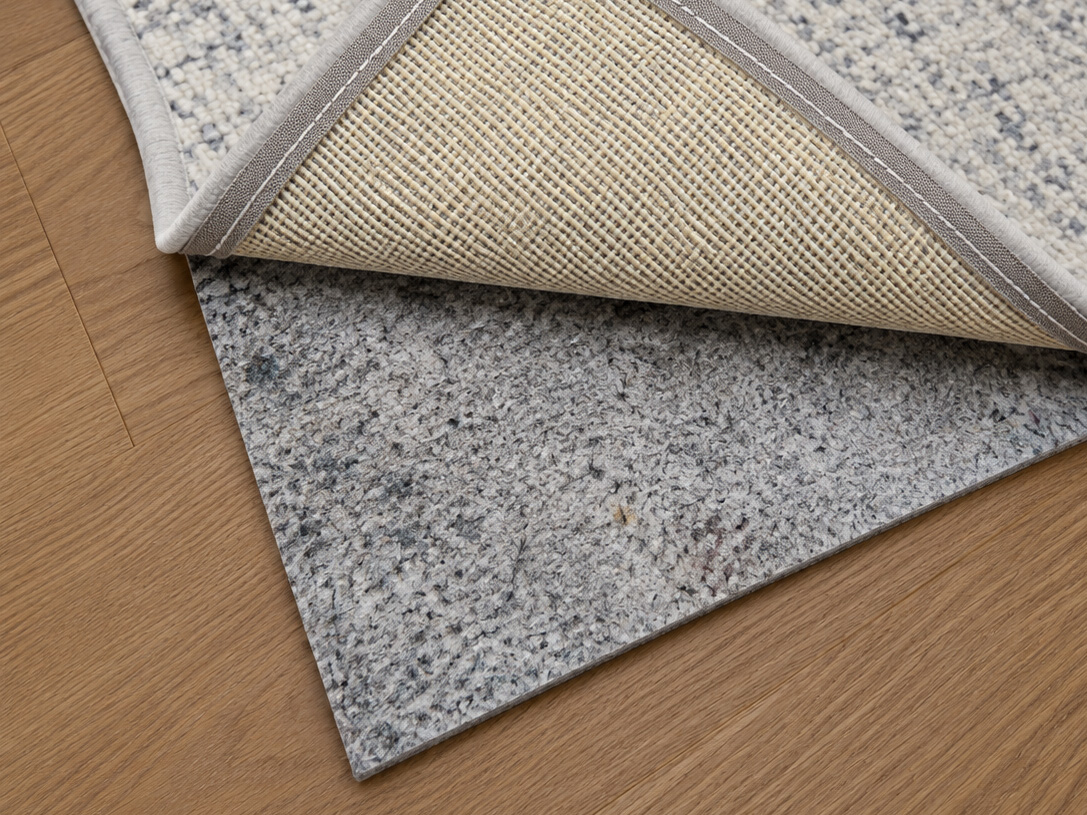
- Breathable material — felt or felt-hybrid pads allow airflow underneath the rug, which reduces the moisture-trapping issue mentioned above
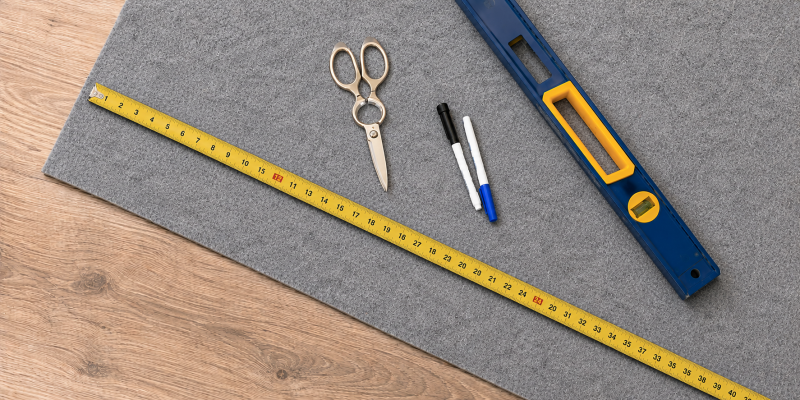
- Correct sizing — a pad cut about an inch smaller than the rug on all sides keeps edges from curling or catching underfoot
Bringing It Together
If you’ve already gone through our COREtec cost guide or compared COREtec vs. LVP options while planning your floor, the rug pad question is worth adding to that same checklist — it’s a small detail that protects a much bigger investment.
We’re continuing to expand rug pad options at Dalton Rug Pad with vinyl-safe materials in mind, alongside the custom-cut sizing covered in our rug pad buying guide. If you’re shopping for a pad to go with new or existing COREtec floors, it’s worth checking there before settling for a generic pre-cut option.
Have questions about which COREtec product is right for your space? Browse our full COREtec collection or read more on is COREtec worth it?