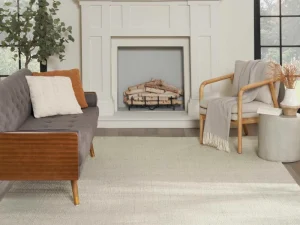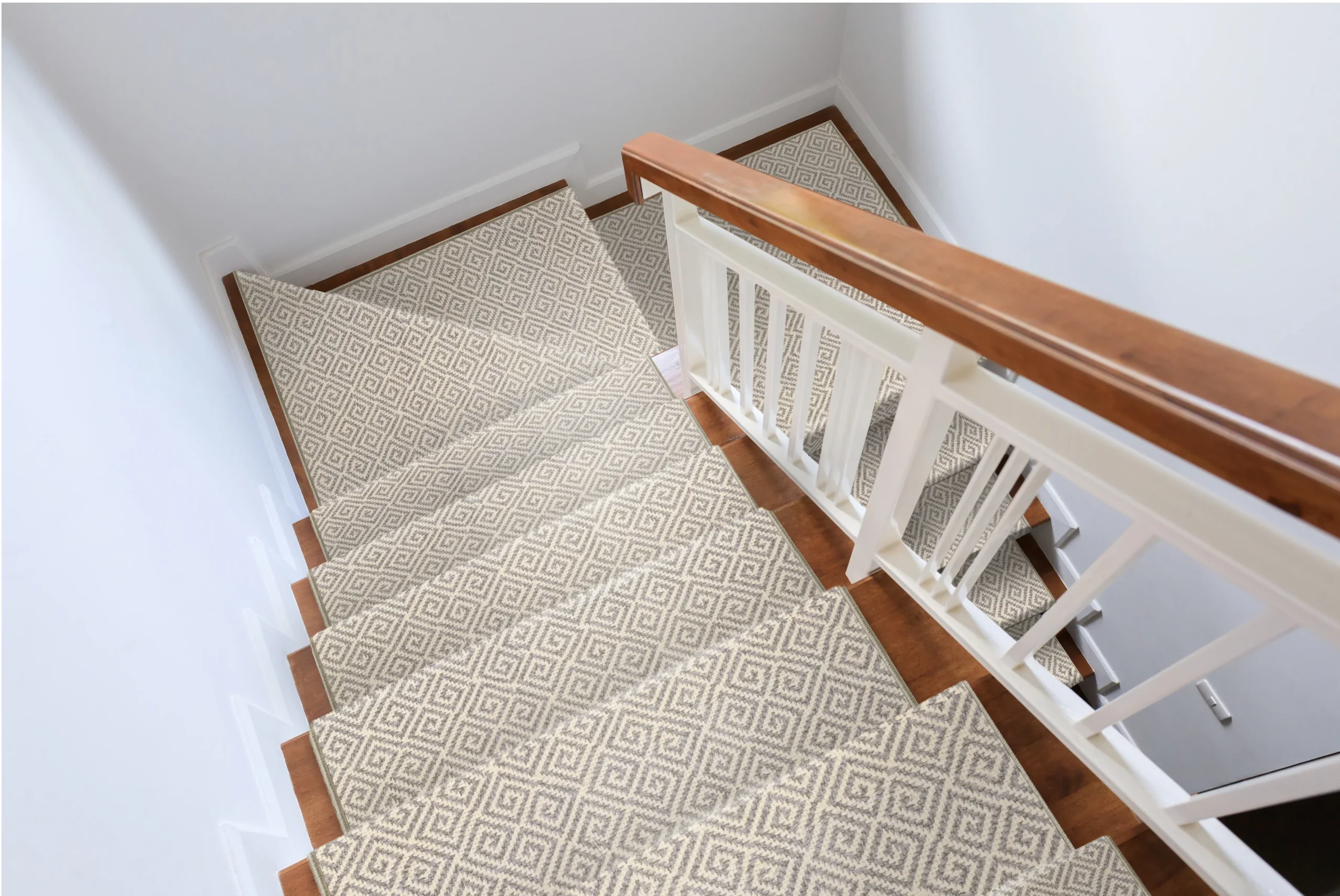
Wool carpet has a way of making a room feel finished. It is softer, warmer, and more tailored than a lot of mass-market carpet, which is exactly why it keeps showing up in better bedrooms, refined living rooms, custom rugs, and stair runners. But let’s be honest: wool is not the right answer for every house, every lifestyle, or every budget. If you are considering it, the smartest move is to look at both sides before you fall in love with the texture alone.
Browse our Wool Carpet page to compare styles for bedrooms, living rooms, stair runners, and custom rugs.
For homeowners exploring premium flooring options, wool often stands apart because it offers a more natural look and feel than many synthetic alternatives. On our Wool Carpet, Custom Rugs & Stair Runners page, you can browse styles that work beautifully for wall-to-wall installations, custom rugs, and stair runners. This article is here to help you decide whether wool is actually the right fit for your home.
What Are the Pros of Wool Carpet?
The first big advantage is comfort. Wool has a natural softness and resilience that gives it a more cushioned, forgiving feel underfoot than many harder-feeling synthetic surfaces. In rooms where comfort matters most, that difference is not subtle. Bedrooms, living rooms, and stairs tend to feel warmer and more inviting with wool underfoot.
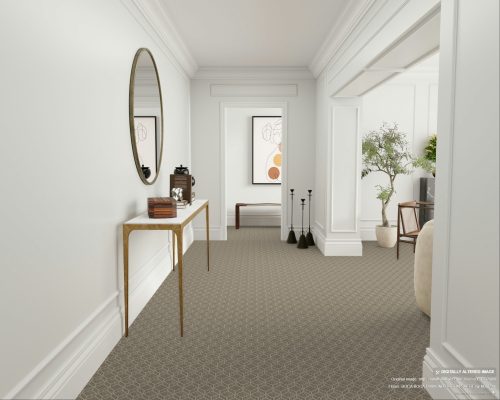
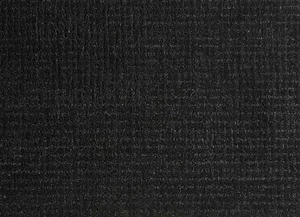
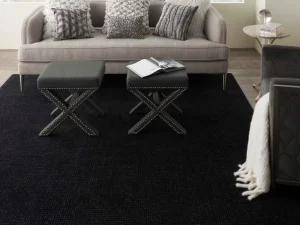
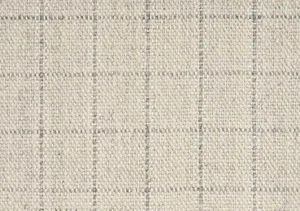
Another major advantage is appearance. Wool carpet usually brings more texture, depth, and visual richness to a room, which is part of why it works so well in design-driven interiors. Whether you are drawn to subtle patterns, tailored loops, soft Berbers, or classic woven looks, wool tends to feel more elevated than a lot of broad, budget-oriented synthetic carpet. It has a way of making a space look intentional instead of simply carpeted.
Wool also has natural performance benefits that make it appealing beyond looks alone. It is known for its resilience, its ability to hold texture well, and its naturally insulating character. It can also be a smart choice for homeowners who want a floor that feels refined but still practical in the right setting. That does not mean wool is maintenance-free, but it does help explain why it has long been considered a premium carpet fiber.
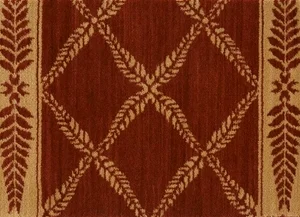
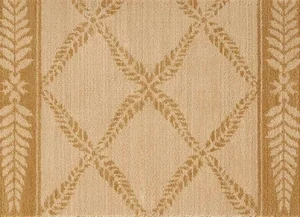
One more advantage is flexibility. Wool carpet is one of the best materials for homeowners who want to coordinate wall-to-wall flooring with custom rugs and stair runners. That matters more than people sometimes realize. When the same premium material can be used across different parts of the home, the entire interior starts to feel more cohesive and custom. You can explore more ideas like that in our Wool Carpet Learning Center.
What Are the Cons of Wool Carpet?
The most obvious downside is cost. Wool is usually not the inexpensive option, and it is rarely the choice for someone shopping purely by price. It is a premium fiber, so the investment tends to be higher from the start. In larger rooms especially, that price difference can add up quickly. That does not make wool a bad value, but it does mean the room has to matter enough to justify the upgrade.
The second drawback is maintenance. Wool rewards people who care about how their home looks and who are willing to stay a little more engaged with upkeep. Spills should be addressed quickly, regular vacuuming matters, and long-term appearance benefits from good care. For homeowners who want the easiest possible floor to live with in messy, high-chaos spaces, wool may feel a little more demanding than a synthetic carpet built around convenience first.
That leads to the third con: wool is not always the most forgiving choice for every lifestyle. In a busy household with constant tracked-in dirt, frequent food spills, or a room that takes a lot of abuse, some synthetic carpets may simply feel easier day to day. Wool is beautiful, comfortable, and refined, but it is not always the most casual option. Sometimes the better question is not whether wool is better in theory, but whether it fits the way the room is actually used.
There is also a style factor to consider. Wool tends to shine most in spaces where design matters and the room is being treated with intention. Bedrooms, formal living areas, stair runners, reading rooms, and custom rug projects are where it often feels most at home. If the goal is strictly utility, some homeowners may decide that the beauty of wool is more than the room really needs.
So, Is Wool Carpet Worth It?
For the right homeowner, yes, absolutely. Wool carpet is worth it when comfort, texture, tailored appearance, and long-term design value matter more than simply getting the lowest upfront cost. It is especially compelling for people who want a custom-rug look, a refined stair runner, or a bedroom carpet that feels noticeably better every single day.
That said, I would not pretend wool is universally the best choice. If your main priorities are the lowest price, the easiest cleanup, or a highly casual room that sees nonstop wear and mess, you may be happier with a good synthetic alternative. The right answer depends less on whether wool is better in the abstract and more on whether your home, habits, and expectations line up with what wool does best.
My take is simple: wool is a premium move. When used in the right rooms, it delivers a softness, depth, and design presence that synthetic carpet often struggles to match. When used in the wrong room for the wrong homeowner, it can feel like too much spend and too much responsibility. That is exactly why it helps to weigh the pros and cons before you shop.
Where to Go Next
If you are leaning toward wool, start by browsing styles that work for wall-to-wall installations, custom rugs, and stair runners, then compare textures and patterns that fit the way you actually live. You can also keep exploring with our related guides below.