If you’re weighing carpet vs vinyl flooring, you’re really choosing which daily experience you want underfoot. Do you want plush warmth and hush-quiet rooms, or bulletproof cleanup and waterproof confidence? I’ll walk you through the tradeoffs in plain English, room by room, and leave you with a quick decision guide you can actually use.
| Factor |
Carpet |
Vinyl plank/tile (LVP/LVT) |
Quick take |
| Comfort & warmth |
Excellent |
Good (with underlayment) |
Carpet wins on cozy and quiet |
| Acoustics |
Excellent sound absorption |
Moderate to good |
Carpet is significantly quieter |
| Durability |
Good to excellent (fiber/pile dependent) |
Very good to excellent (wear layer/core) |
Vinyl resists scratches better; carpet resists dents |
| Water & spills |
Water-resistant, not waterproof |
Waterproof options common |
Vinyl wins in kitchens, baths, laundry |
| Stains & scratches |
Stains are the risk |
Scratches are the risk |
Pets with claws favor vinyl; pets with accidents favor vinyl |
| Maintenance |
Vacuum + occasional professional cleaning |
Sweep/vac + damp mop |
Vinyl is lower maintenance overall |
| Installation |
Stretch-in or glue; seams matter |
Click-lock, glue-down, or loose-lay |
Vinyl is more DIY-friendly |
| Subfloor tolerance |
Forgiving to minor flaws |
Needs flatter subfloors |
Vinyl requires more prep for a flawless look |
| Cost (installed) |
Broad range; good value |
Broad range; very competitive |
Comparable by tier; vinyl often wins in wet zones |
| Longevity |
8–20 years by quality and care |
12–25 years by quality and care |
Both can last; habits and traffic matter |
| Style & feel |
Texture, pattern, true warmth |
Wood/stone visuals, clean lines |
Tie; depends on design goals |
| Resale appeal |
Strong in bedrooms, stairs, theater |
Strong in main living and kitchens |
Mix strategically for best results |
Note: Ranges vary by market and quality tier; think quality first, not material alone.
How they’re made (and why that matters)
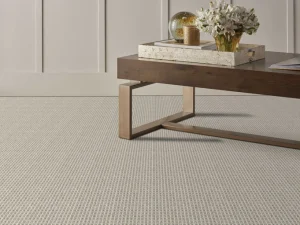
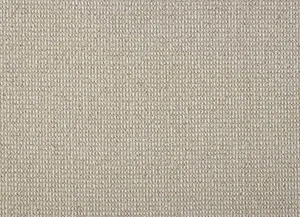
Carpet is typically tufted broadloom or carpet tile. Performance hinges on fiber, pile style, and cushion. Nylon and triexta bring resilient, family-friendly performance; polyester offers softness and budget value; wool brings natural luxury, beautiful hand, and inherent thermal and acoustic comfort. Pile styles include cut pile (plush), loop (Berber), and patterned cut-loop. Cushion density and thickness shape the feel and longevity just as much as the face fiber.
Vinyl comes as luxury vinyl plank or tile (LVP/LVT) and as sheet vinyl. The core can be SPC (stone-plastic composite) for maximum dent resistance or WPC (wood-plastic composite) for a slightly warmer, more forgiving feel. The wear layer thickness (measured in mils) and surface embossing drive scratch resistance and realism. Click-lock systems float over underlayments; glue-down adds stability for heavy traffic or rolling loads.
Room-by-room recommendations
Bedrooms and nurseries
-
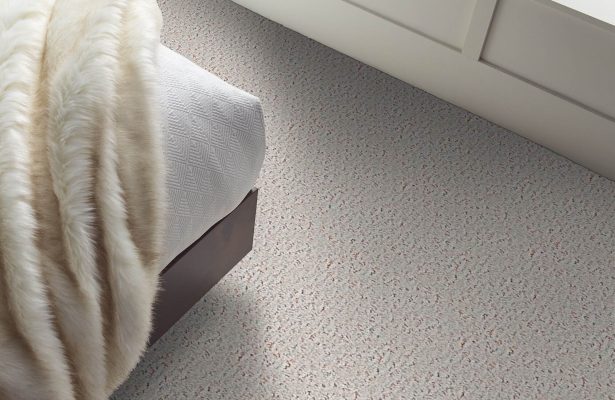
Go carpet for warmth, softness, and superior sound absorption. A medium-dense cut pile or a tailored wool loop is timeless and quiet.
-
Vinyl works if you’re managing allergies and want easy cleanup; pair with a quality acoustic underlayment and layered rugs.
Living rooms and dens
Stairs and hallways
-
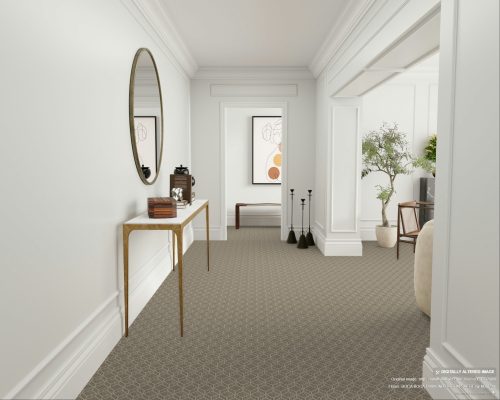
Carpet or a custom stair runner improves traction and reduces noise. Choose a tightly constructed loop or low, dense cut pile to resist edge fuzzing.
-
Vinyl on stairs is possible with matching treads/risers, but it’s louder and can feel slick without nosing profiles.
Kitchens, baths, laundry, mudrooms
Basements
Home theaters and offices
-
Carpet for theaters, hands down, thanks to acoustics. In offices with rolling chairs, vinyl is practical; add a chair mat to protect the wear layer.
Durability in real life
How each fails tells you how to prevent it. Carpet’s weak spot is stains and fiber crush; choose performance fibers, use entry mats, and vacuum consistently. Vinyl shrugs off stains but can scuff or scratch; felt pads on furniture and regular sweeping go a long way. UV fading affects both materials in bright exposures; window treatments and area rugs help.
If you have pets and kids, consider your biggest stressor. Accidents and spills point to vinyl. If you crave quiet with rambunctious play, carpet’s acoustic comfort is hard to beat.
Comfort, acoustics, and warmth
Carpet is the acoustic champion. It absorbs sound across frequencies, trims echo, and makes large open plans feel calm. Cushion matters: higher density and the right thickness improve both feel and durability. Wool is naturally temperature-regulating and feels luxe year-round.
Vinyl with a proper underlayment can be comfortable and quieter than you expect. Look for underlayments rated for acoustic performance if you’re in multi-level homes or condos. Both carpet and vinyl can be compatible with radiant heat; follow manufacturer temperature limits.
Water, moisture, and cleanup
Waterproof means the material won’t be harmed by water; it doesn’t mean a flood won’t find its way under the planks. Vinyl is excellent for everyday life: wet boots, pet bowls, bath splashes. Carpet is water-resistant at best; blot spills promptly, and use a quality spotter. Below grade, control humidity with dehumidifiers and proper subfloor prep.
Installation and subfloor prep
Carpet needs thoughtful seam placement and power-stretching. The right cushion and tack strip make all the difference on stairs and transitions.
Vinyl’s click-lock installs quickly, but flatness tolerances matter. A good installer will check for high and low spots and skim-coat where needed for a smooth, continuous appearance. Glue-down is ideal for heavy traffic and rolling loads.
Cost comparison: upfront and lifetime
Both categories offer starter, midrange, and premium tiers. Expect to budget for:
-
Materials by tier (entry, better, best)
-
Underlayment/cushion
-
Subfloor prep and transitions
-
Stairs (labor increases here)
-
Furniture moving and old-floor removal
-
Long-term care: periodic hot-water extraction for carpet; simple neutral cleaners for vinyl
Well-chosen midrange products in both categories can outlast cheaper options by years, saving money over the life of the floor.
Design and style
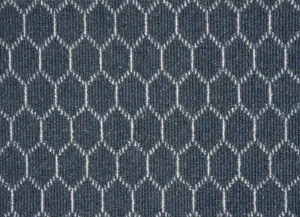
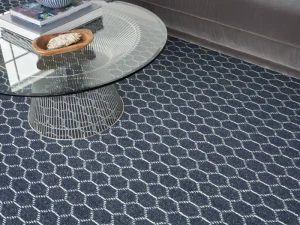
Carpet brings texture, warmth, and pattern that quietly disguises daily life. Tailored loops, modern Berbers, and subtle patterns deliver polish without shouting. If your home skews luxury, consider natural wool from design-forward mills for that elevated hand and depth of color.
Vinyl excels at clean lines and cohesive flow. Oak, hickory, and ash visuals with matte finishes are timeless; stone looks ground kitchens and baths without cold feet. In open plans, I often specify vinyl through the hard-working zones, then layer custom size rugs and runners to zone seating and soften acoustics.
Health and sustainability
Look for low-VOC certifications. Many carpets meet CRI Green Label Plus standards, and vinyl options increasingly offer low-emissions formulations. For allergy concerns, maintenance is the lever that matters: vacuum carpets with a sealed HEPA system weekly; keep vinyl dust-free and dry. Ask about reclamation or recycling programs when you replace flooring.
Common myths to retire
-
Vinyl looks fake: High-quality embossing and balanced tones look convincingly natural in person.
-
Carpet traps allergens: Proper vacuuming and periodic hot-water extraction can reduce allergen load effectively.
-
Waterproof equals indestructible: Even waterproof floors need prompt cleanup and good subfloor moisture control.
-
Thicker pad is always better: Density and the right thickness for the carpet construction matter more than maximum puff.
A simple decision guide
If you prioritize comfort, hush-quiet rooms, and warmth underfoot, choose carpet in bedrooms, stairs, and media spaces. Pick a dense, performance-oriented construction and pair it with the right cushion.
If you prioritize easy cleaning, waterproof peace of mind, and scratch resistance, choose vinyl in kitchens, baths, laundry, and high-traffic family zones. Invest in an appropriate wear layer and confirm your subfloor prep plan.
Most homes benefit from a hybrid plan: carpet where you want comfort and quiet, vinyl where life gets messy.
FAQs
Is vinyl better than carpet for bedrooms?
Which is quieter: carpet or vinyl with underlayment?
What lasts longer: carpet or vinyl?
What’s best for pets?
Can vinyl go over tile or existing hardwood?
Can you put carpet over radiant heat?
Does carpet hurt resale compared to vinyl?
-
Buyers expect carpet in bedrooms and appreciate quiet on stairs. In main living, kitchens, and baths, vinyl’s durability is a strong selling point. A thoughtful mix supports resale best.
How do I compare quality quickly?
-
For vinyl, check wear layer thickness and core type; for carpet, check fiber type, face weight, density, and twist level. Touch and feel samples; quality is obvious in hand.
Do I need a moisture barrier?
-
In below-grade or moisture-prone areas, yes. For vinyl, use the underlayment your product calls for. For carpet, consider moisture-resistant cushion and manage humidity.
How often should carpet be professionally cleaned?
Final take and next steps
There isn’t a universal winner in carpet vs vinyl flooring—there’s only the right choice for each room and how you live. If you want your home to feel quiet and cocooned, lean into carpet where you linger. If you want fast cleanup and waterproof peace of mind, let vinyl do the heavy lifting in splash zones and high traffic.
If you’d like room-by-room recommendations, samples you can live with for a few days, or a precise estimate, I’m happy to help you map a mix that feels intentional and looks beautiful. When you’re ready, the team at Carpets in Dalton can guide you through both categories, from performance-driven staples to elevated designer looks.